
Building a Cooler, Cleaner Square Mile: EGY at the Sustainable City Summit
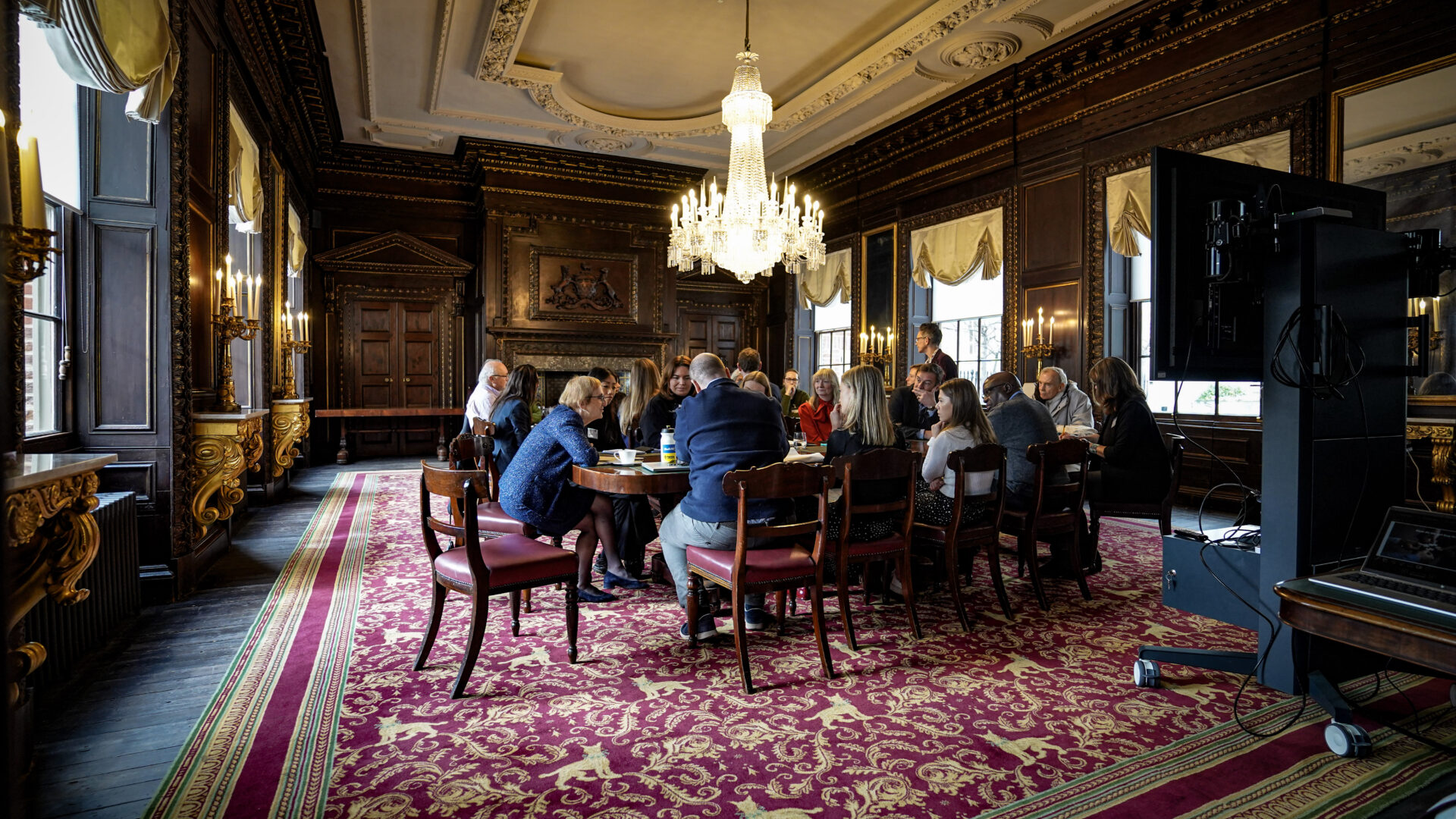
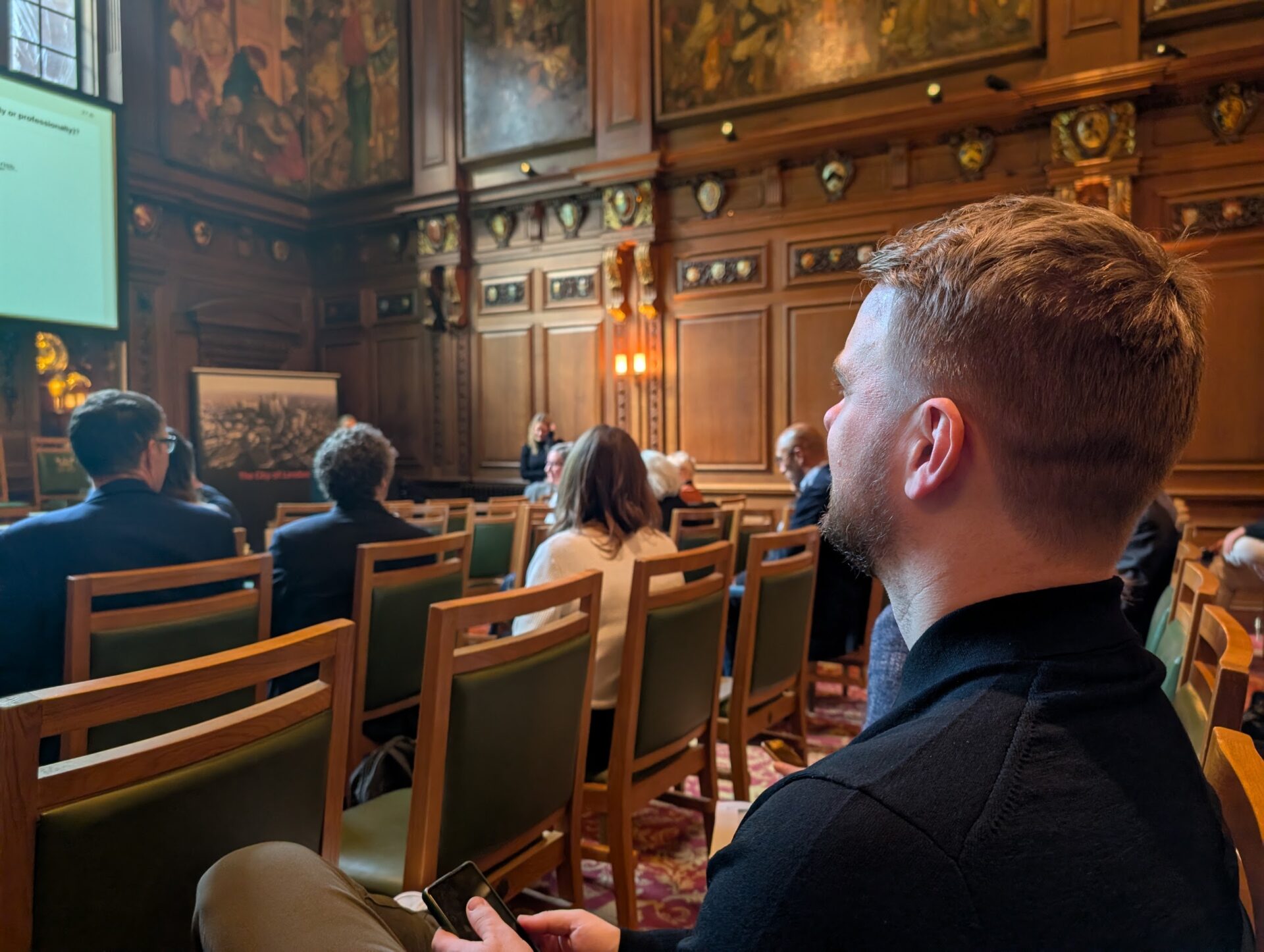
EGY was delighted to attend the Sustainable City Summit on 25 November 2025, where the City of London brought together a wide community of built-environment leaders, climate specialists, developers and public-sector partners to discuss what a truly “future-ready” Square Mile should look like.
EGY was delighted to attend the Sustainable City Summit on 25 November 2025, where the City of London brought together a wide community of built-environment leaders, climate specialists, developers and public-sector partners to discuss what a truly “future-ready” Square Mile should look like. The City reaffirmed its commitment to achieving net zero by 2040, and the tone of the event was clear: ambition is high, momentum is building, and collaboration across sectors will be essential if that ambition is to translate into meaningful delivery on the ground.
Much of the conversation centred on one of the City’s biggest challenges – and one of its biggest opportunities: the decarbonisation of its intense and complex heat demand. With such a dense concentration of heritage buildings, commercial space and energy-intensive activities, traditional building-by-building approaches simply won’t be enough. The summit stressed that district heating networks, built around diverse and low-carbon heat sources, will play a major role in shifting the City away from its dependence on gas and inefficient individual systems. This was paired with a strong focus on climate-resilient placemaking, highlighting how streets, squares and public spaces must evolve to manage heat, rainfall and environmental pressures more effectively. Greener, more adaptable urban spaces are no longer a “nice to have” – they are increasingly central to the City’s long-term resilience.
For EGY, the event felt particularly relevant because these themes mirror the work we have already been delivering across the Square Mile. Recent projects such as New Change Gardens, Little Trinity Lane, Cheapside Bus Gate, Bow Church Yard, the Leadenhall Street Transformation and the City’s own retrofit SuDS guidance demonstrate the practical, scalable steps that can be taken right now to create a cooler, greener and more climate-secure urban environment. Each of these interventions shows what is possible when engineering, placemaking and sustainability are treated as one and the same design problem. But as positive as this progress is, there was a shared recognition at the summit that the speed of deployment needs to increase significantly. Scattered pockets of resilience are not enough; the City needs a coordinated shift in how infrastructure and public realm upgrades are conceived, funded and delivered.
From EGY’s perspective, one of the most powerful enablers of that shift will be a new generation of heat networks that treat the City’s waste streams not as by-products, but as valuable resources. There is enormous potential in tapping into wastewater heat recovery, heat rejected from transport and technology infrastructure, and other overlooked urban processes that currently vent substantial energy into the environment. By capturing and redistributing this heat, district energy networks can introduce real circularity into the City’s heating systems – reducing emissions while improving efficiency and resilience. This kind of integrated, circular thinking aligns closely with the broader placemaking and public realm improvements discussed throughout the event.
The Sustainable City Summit ultimately served as both a progress check and a catalyst. It highlighted the impressive steps already being taken while making it clear that the next phase of action will need to be more ambitious, more coordinated and more rapid. For EGY, it reinforced the value of the work already underway across our projects, but also the responsibility – and the opportunity – to help drive the next wave of climate-resilient design and low-carbon heat infrastructure throughout the Square Mile.
Selected images from City of London Corporation.